
 | Consulting | |
| Analysis | |
| Advice | |
| Sacred Island Tea |
 | |  | |  | |  | |  | |  |


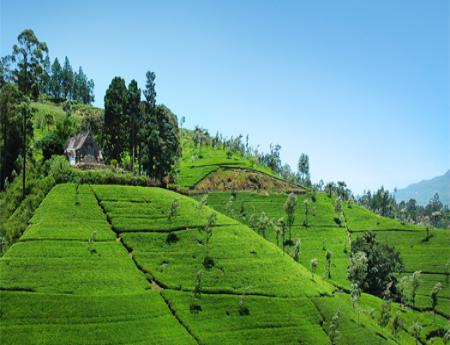


IN 1867, James Taylor marked the birth of the tea industry in Ceylon by starting a tea plantation in Loolecondera estate
in Kandy in 1867. He began the tea plantation on an estate of just 19 acres (76,890 m2). In 1872 he started a fully
equipped tea factory in the same Loolecondera estate and that year the first sale of Loolecondra tea was made in
Kandy. In 1873, the first shipment of Ceylon tea, a consignment of some 23 lb (10 kg), arrived in London.
Soon enough plantations surrounding Loolecondera such as Hope, Rookwood and Mooloya situated to the east and Le
Vallon and Stellenberg to the south began transforming into tea plantations and were amongst the first tea estates to be
established on the island.ea production in Ceylon increased dramatically in the 1880s and by 1888 the area under
cultivation exceeded that of coffee, growing to nearly 400,000 acres (1,619 km2) in 1899. British figures such as Henry
Randolph Trafford arrived in Ceylon and bought coffee estates in places such as Poyston, near Kandy in 1880, which
was the centre of the coffee culture of Ceylon at the time.[14] Although he knew little about coffee, he had considerable
knowledge in regards to tea cultivation and he is considered one of the pioneer tea planters in Ceylon. By 1883,
Trafford was the resident manager of numerous estates in the area, now switching to tea production. By the late 1880s
almost all the coffee plantations in Ceylon had been converted to tea. Similarly, coffee stores rapidly converted to tea
factories in order to meet the increasing demand for tea. Technology for processing tea developed in the 1880s, after
the manufacture of the first "Sirocco" tea drier by Samuel C. Davidson in 1877 and the manufacture of first tea rolling
machine by John Walker & Co in 1880 set the conditions that would be required to make commercial tea production a
reality. This was consolidated in 1884 with the construction of the Central Tea Factory on Fairyland Estate (Pedro) in
Nuwara Eliya. As tea production in Ceylon progressed, new factories were constructed, introducing innovative methods
of mechanization brought from England. Marshals of Gainsborough of Lincolnshire, the Tangyes Machine Company of
Birmingham, and Davidsons of Belfast supplied the new tea factories with machinery which they still supply today.Tea
was increasingly sold at auction as its popularity grew. The first public Colombo Auction was held at the premises of
Somerville & Co. on 30 July 1883, under the auspices of the Ceylon Chamber of Commerce. One million tea packets
were sold at the Chicago World's Fair in 1893. That same year the tea established a record price of £36 18s per lb at
the London Tea Auctions.
By the 1960s the total tea production and exports exceeded 200,000 metric tons (220,462 short tons) and 200,000
hectares (772 sq mi), and by 1965 Sri Lanka became the world's largest tea exporter for the first time. In 1963 the
production and exports of Instant Teas was introduced, and in 1966 the first International Tea Convention was held to
commemorate 100 years of the tea industry in Sri Lanka. During 1971–1972, the government of Sri Lanka nationalized
the tea estates owned by the British companies.The state took over some 502 privately owned tea, rubber and coconut
estates, and in 1975 it nationalized the Rupee and Sterling companies. Land reform in Sri Lanka meant that no cultivator
was allowed to own more than 50 acres (202,343 m2) for any purpose.
By 1996, Sri Lanka's tea production had exceeded 250,000 metric tons (275,578 short tons), growing to over 300,000
metric tons (330,693 short tons) by the year 2000.In 2001 the first on-line sales of tea commenced, sold by Forbes &
Walker Ltd. at the Colombo Tea Auctions.
in Kandy in 1867. He began the tea plantation on an estate of just 19 acres (76,890 m2). In 1872 he started a fully
equipped tea factory in the same Loolecondera estate and that year the first sale of Loolecondra tea was made in
Kandy. In 1873, the first shipment of Ceylon tea, a consignment of some 23 lb (10 kg), arrived in London.
Soon enough plantations surrounding Loolecondera such as Hope, Rookwood and Mooloya situated to the east and Le
Vallon and Stellenberg to the south began transforming into tea plantations and were amongst the first tea estates to be
established on the island.ea production in Ceylon increased dramatically in the 1880s and by 1888 the area under
cultivation exceeded that of coffee, growing to nearly 400,000 acres (1,619 km2) in 1899. British figures such as Henry
Randolph Trafford arrived in Ceylon and bought coffee estates in places such as Poyston, near Kandy in 1880, which
was the centre of the coffee culture of Ceylon at the time.[14] Although he knew little about coffee, he had considerable
knowledge in regards to tea cultivation and he is considered one of the pioneer tea planters in Ceylon. By 1883,
Trafford was the resident manager of numerous estates in the area, now switching to tea production. By the late 1880s
almost all the coffee plantations in Ceylon had been converted to tea. Similarly, coffee stores rapidly converted to tea
factories in order to meet the increasing demand for tea. Technology for processing tea developed in the 1880s, after
the manufacture of the first "Sirocco" tea drier by Samuel C. Davidson in 1877 and the manufacture of first tea rolling
machine by John Walker & Co in 1880 set the conditions that would be required to make commercial tea production a
reality. This was consolidated in 1884 with the construction of the Central Tea Factory on Fairyland Estate (Pedro) in
Nuwara Eliya. As tea production in Ceylon progressed, new factories were constructed, introducing innovative methods
of mechanization brought from England. Marshals of Gainsborough of Lincolnshire, the Tangyes Machine Company of
Birmingham, and Davidsons of Belfast supplied the new tea factories with machinery which they still supply today.Tea
was increasingly sold at auction as its popularity grew. The first public Colombo Auction was held at the premises of
Somerville & Co. on 30 July 1883, under the auspices of the Ceylon Chamber of Commerce. One million tea packets
were sold at the Chicago World's Fair in 1893. That same year the tea established a record price of £36 18s per lb at
the London Tea Auctions.
By the 1960s the total tea production and exports exceeded 200,000 metric tons (220,462 short tons) and 200,000
hectares (772 sq mi), and by 1965 Sri Lanka became the world's largest tea exporter for the first time. In 1963 the
production and exports of Instant Teas was introduced, and in 1966 the first International Tea Convention was held to
commemorate 100 years of the tea industry in Sri Lanka. During 1971–1972, the government of Sri Lanka nationalized
the tea estates owned by the British companies.The state took over some 502 privately owned tea, rubber and coconut
estates, and in 1975 it nationalized the Rupee and Sterling companies. Land reform in Sri Lanka meant that no cultivator
was allowed to own more than 50 acres (202,343 m2) for any purpose.
By 1996, Sri Lanka's tea production had exceeded 250,000 metric tons (275,578 short tons), growing to over 300,000
metric tons (330,693 short tons) by the year 2000.In 2001 the first on-line sales of tea commenced, sold by Forbes &
Walker Ltd. at the Colombo Tea Auctions.
INSIST ON CEYLON TEA !
Premium Teas available online in the UK to the world !
Premium Teas available online in the UK to the world !
